


The BPO Services in California: Why Law Firms are Embracing Outsourcing


California legal practices must optimize their operational frameworks to survive rising overhead costs. Using legal BPO services in California helps firms scale processing capacity by outsourcing administrative workflows, client management, and back-office operations to specialized external vendors.
For example, a mid-sized Los Angeles law firm recently streamlined its client intake and billing processes through a legal BPO partner, resulting in a 30% reduction in administrative costs and enabling attorneys to dedicate more time to complex casework.
This shift can reduce structural overhead, ease local staffing shortages, and let attorneys focus on high-value casework.
Why are California Law Firms Facing an Operational Crisis?
Operating a legal practice in California demands intense capital and administrative compliance. In particular, high local salaries, steep real estate leases, and extensive state regulations strain the margins of small- to medium-sized businesses.
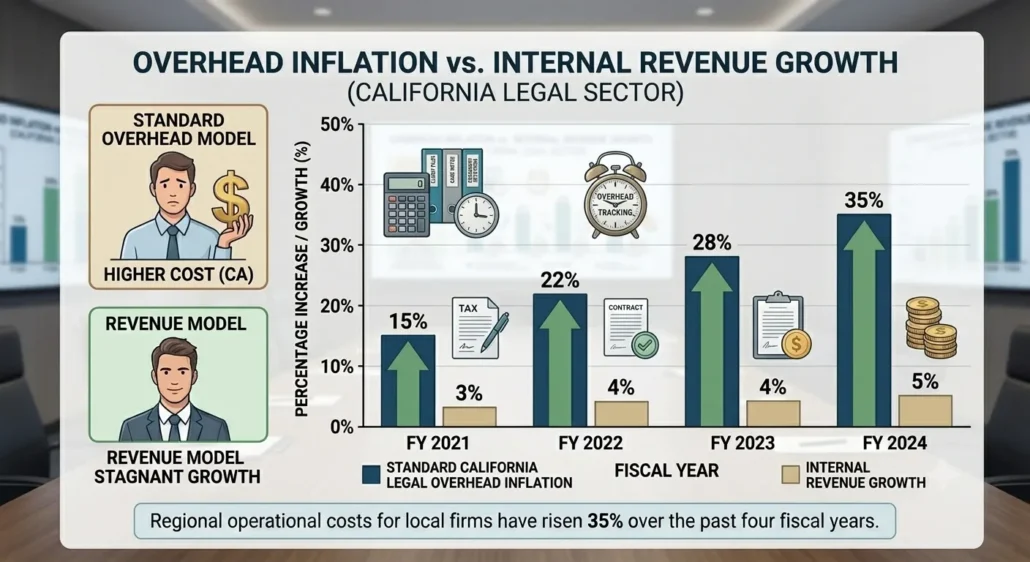
California legal practices spend nearly half their budgets on non-billable administrative tasks, according to a 2026 California Legal Economics Study. Document formatting, billing coordination, and client scheduling drain valuable internal hours.
When your core team spends time on routine paperwork, billable outputs drop immediately. As a result, legal business process outsourcing shifts non-core administrative workflows to remote expert teams
How do BPO Services in California Reshape Firm Infrastructure?
Modern business process outsourcing goes far beyond basic data entry or standard call center routing. Instead, specialized legal vendors provide highly integrated administrative, operational, and technical support frameworks tailored to state compliance guidelines.
Leading BPO providers comply with California legal and ethical standards by implementing secure data handling protocols, maintaining strict confidentiality agreements, and adhering to local bar association rules.
In practice, many also regularly audit their operations for compliance, carry professional liability insurance, and provide full transparency in their workflows. This reassures partners that outsourcing will not compromise client privacy or legal compliance.
To ensure that a potential vendor truly meets these standards, partners should take several due diligence steps. Request proof of relevant certifications (such as SOC 2 or ISO 27001) and review recent third-party audit reports.
Additionally, ask for details on internal data security policies and seek client references who can attest to the vendor’s compliance record. This approach empowers firms to make informed, secure outsourcing decisions.
Cost Reductions
Efficiency Gains
In-House Operations vs. Legal BPO Frameworks
The operational differences between internal administrative teams and structured external vendor support shape long-term scalability. These differences become clearer when comparing in-house operations with legal BPO frameworks.
| Efficiency Metrics | In-House Administrative Team | Legal BPO Services Model |
| Operational Hours | 8 Hours Per Day | 24 Hours Per Day |
| Scalability Speed | 30 to 60 Days | 24 to 48 Hours |
| Hourly Direct Cost | High Local Market Rates | Optimized Variable Rates |
| Management Burden | Total Internal Burden | Fully Vendor Managed |
| Infrastructure Need | On-Site Desks & Hardware | Cloud-Based Secure Setup |
| Training Investment | Internal Capital Drain | Pre-Vetted Ready Talent |
| Overhead Risk | Fixed Long-Term Liability | Flexible Utility Contract |
What Role Does a Legal Intake Specialist Play in Firm Growth?
First impressions determine retention rates for small and medium consumer law firms. Deploying a dedicated, remote legal intake specialist ensures your business captures every viable incoming lead immediately.
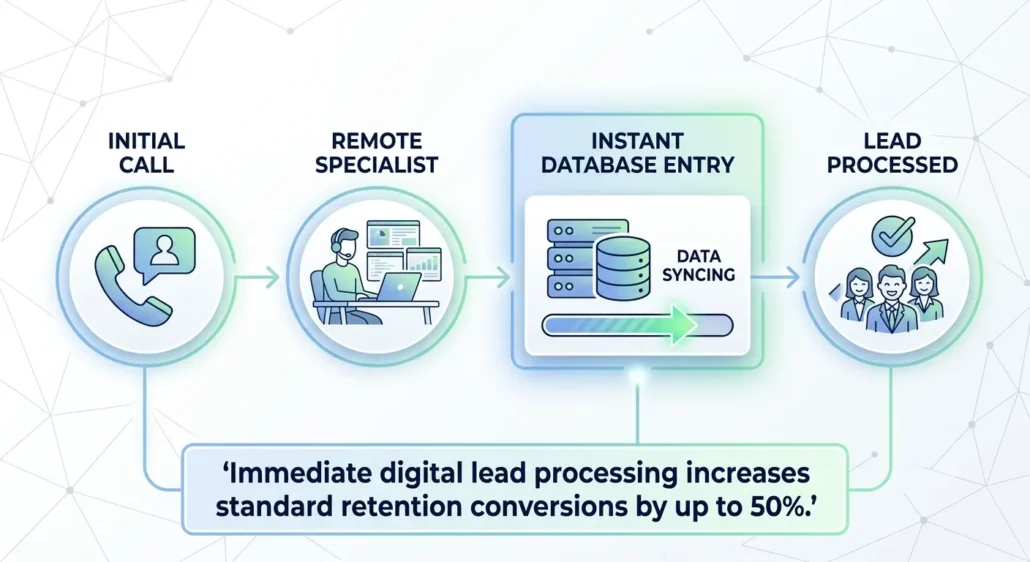
A 2025 National Consumer Law Survey revealed that 67% of clients hire the firm that responds first. If your attorneys are stuck in court or depositions, incoming calls go directly to voicemail.
Remote intake specialists address this vulnerability by answering calls, vetting case details, and scheduling consultations instantly.
In turn, clients benefit from timely responses and seamless communication, which help maintain trust and reinforce the firm’s commitment to service quality. This continuous availability helps secure high retention metrics without adding expensive on-site front-desk staff.
Why are Offshore Legal Services Becoming a Strategic Necessity?
Global talent networks offer financial and operational leverage for modern legal practices. Integrating offshore legal services allows your firm to maintain top-tier operational execution at a fraction of local costs.
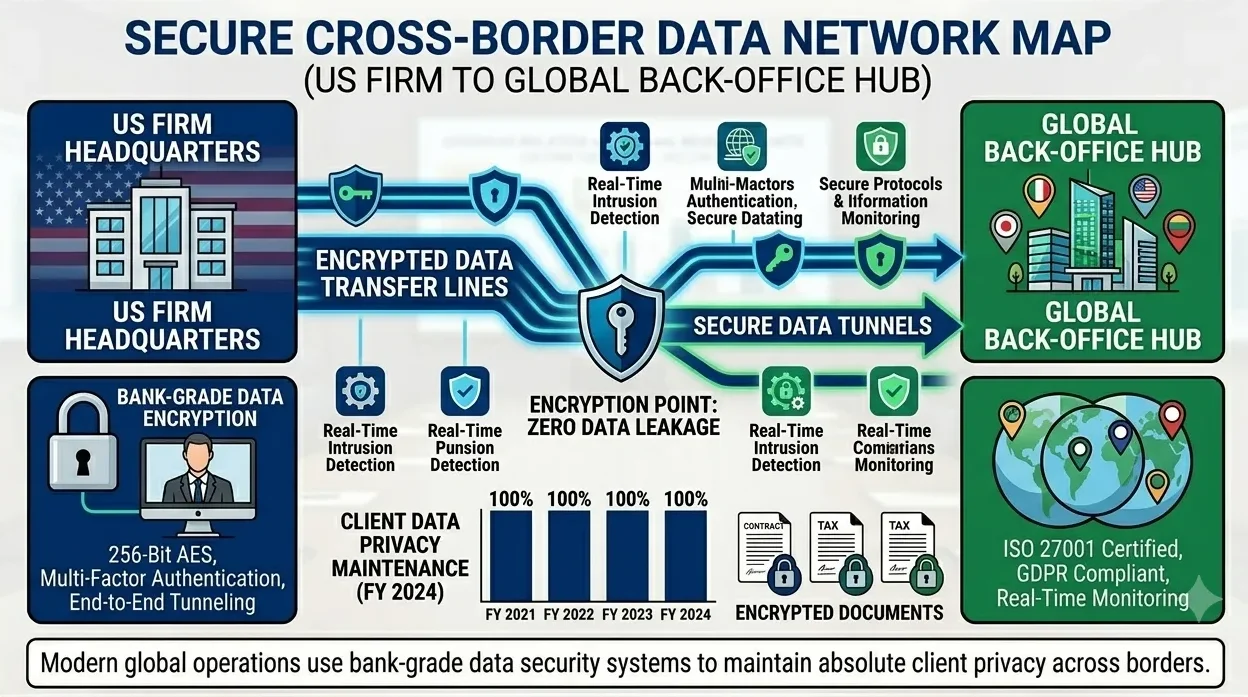
Industry research shows that law firms utilizing international support teams save up to 60% on back-office expenses. Because overseas professionals work in complementary time zones, they enable seamless, overnight project execution. Overseas professionals operate in favorable time zones, enabling overnight project completion. For example, local teams can submit document-drafting tasks at 5:00 PM and receive the completed work by 8:00 AM.
This continuous productivity accelerates case resolution and enhances client satisfaction. Most California firms begin to realize measurable cost savings and operational improvements within three to six months of implementing offshore legal BPO services. This allows partners to forecast ROI with greater accuracy.
To evaluate and justify their investment, partners should track key ROI metrics over time. Recommended indicators include cost per case from intake to resolution, average case turnaround time, client satisfaction and retention rates, error frequency in legal documentation, and percentage reduction in administrative overhead. Monitoring these metrics provides a clear, data-driven assessment of outsourcing’s impact on firm profitability and efficiency.
What are the Main Pitfalls of Traditional Local Hiring?
Relying exclusively on local labor markets can create rigid dependencies that limit business agility. Consequently, small businesses encounter several systemic challenges when building fully in-house administrative teams.
Talent Sourcing Issues
Operational Disadvantages
BPO providers address these vulnerabilities by maintaining extensive, pre-trained backup talent pools. If a contract specialist is unavailable, the vendor can provide an immediate replacement to ensure uninterrupted operations. When selecting a BPO partner, evaluate criteria such as industry experience, client references, and security certifications
Legal BPO vendors may include specialized legal support firms, global professional services companies with dedicated legal process outsourcing divisions, and regional boutique providers focused on compliance, paralegal services, or document management. Assess their data protection measures, staff replacement capabilities, and workflow transparency to ensure a reliable and secure partnership.
How to Maintain Data Security with Legal BPO Vendors
Protecting client confidentiality is a fundamental requirement under California legal ethics. Before engaging any third-party business process provider, firms must evaluate and verify the provider’s security measures.
Encryption Standards
Access Controls
What is the Best Method for Implementing Legal BPO Services?
Pro-Tip: Avoid outsourcing your entire operational framework at once. Instead, consult with vendors, select a specific bottleneck such as client intake or medical record indexing, and optimize that process first.
Master one workflow before expanding to more complex tasks to minimize errors and ensure a smooth transition.
Pay close attention to common pitfalls, including data migration errors and staff resistance to new workflows. Proactively manage these risks by training staff, scheduling test runs, and partnering with vendors who provide clear migration support to ensure a seamless rollout and minimize disruptions.
Transition Checklist for Legal BPO Implementation:
- Identify the administrative workflow most in need of improvement.
- Select a vetted BPO partner experienced in legal processes.
- Communicate your goals and set clear performance benchmarks.
- Train internal staff on new procedures and communication methods.
- Conduct a test run and review for data consistency and process quality.
- Monitor the transition closely during the initial phase and collect feedback from your team.
- Adjust and refine workflows as needed before expanding outsourcing to additional tasks.
How Does Outsourcing Enhance Attorney Well-Being?
Successful law firms rely on teams focused on high-level legal strategy rather than administrative tasks. Delegating routine work to external experts boosts morale and supports long-term retention of top internal talent.
Reduced Administrative Burden
Strategic Advantages
Your First Action Step
Analyze your team’s weekly time allocations today. Then identify whether your primary operational drag is client onboarding or document drafting, and select one workflow to transition to an external legal provider next month.
If you are ready to eliminate these administrative bottlenecks, consider partnering with Group NB to streamline your firm’s operational framework. Their specialized legal BPO services provide the trained talent and secure infrastructure needed to scale your practice efficiently.